How a Virtual Event Host in Australia Lifts Events

Written By Nathan Cassar





Written By Nathan Cassar
A virtual event host Australia organisers can rely on does far more than introduce a speaker and read the chat. When guests are joining from home offices, boardrooms and different time zones, every pause feels longer. Every handover needs purpose. Every presenter needs confidence. The right host keeps the experience moving, gives the audience a reason to stay present, and lets the event team focus on the bigger picture rather than chasing the run sheet minute by minute.
Virtual events can look simple from the outside. A screen, a platform, a few speakers. Behind that screen, however, sits a live production with real people, competing priorities and very little room for awkwardness. A professional host brings calm control to that environment.
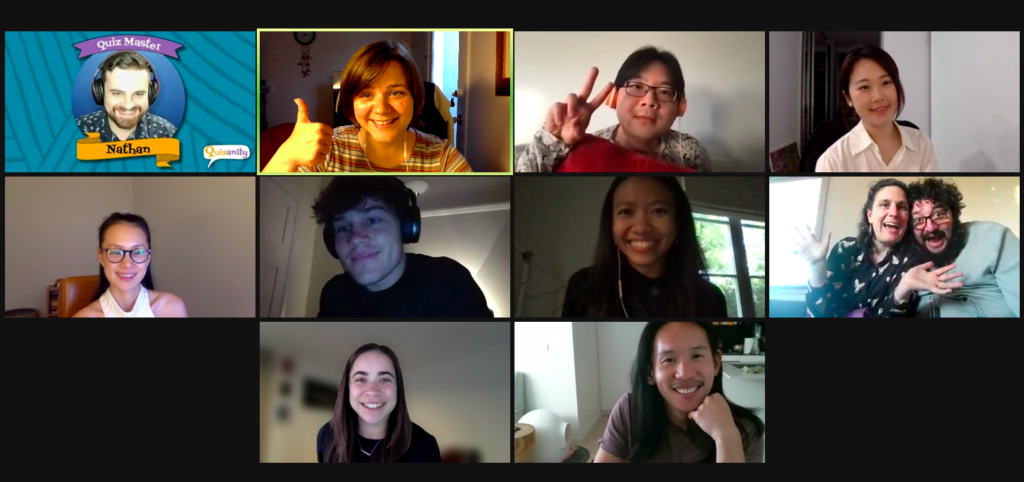
A polished virtual host is the audience’s guide from the moment the platform opens. They set the tone, welcome people with energy, explain how the session will work and make a dispersed crowd feel like it has arrived in the same room.
That role becomes even more valuable between the headline moments. A host manages speaker introductions, transitions, audience questions, sponsor acknowledgements, polling, housekeeping and timing. They can fill an unexpected gap without making it feel like a gap. They can shorten a section with tact when a session runs over. They can give a nervous presenter a confident handover rather than leaving them to find their own way into the spotlight.
This is event leadership, not just microphone work. It requires stage presence, but it also requires a producer’s mindset. The best hosts understand the programme, know what must not be missed and can adjust the energy without pulling focus from the message.
An online event asks more of an audience than a live room does. At a gala or conference venue, the atmosphere carries people forward. Online, a guest can check emails, take a call or leave the session in seconds. The host has to earn their attention repeatedly.
That does not mean forcing relentless hype into every session. A leadership briefing needs a different pace from a high-energy awards presentation. A charity event needs warmth and emotional intelligence. A product launch needs confidence, clarity and brand discipline. The right host reads the brief and gives the event the tone it deserves.
For Australian organisations hosting national audiences, local knowledge matters too. A host who understands the pace, humour and expectations of an Australian room can create immediate connection without becoming overly casual. They know when to bring the spark, when to hold a moment, and when to move on.
The result is a more human experience. Speakers feel supported. Guests know where they are in the programme. Your key messages land with more impact because they are framed well, rather than dropped into a disconnected schedule.
It is easy to mistake activity for engagement. A stream of hellos in the chat might look busy, but it does not necessarily mean people are listening, participating or connecting with the content.
Strong virtual hosting gives each interaction a job. A poll can surface a shared challenge before a panel discussion. A question can turn a passive session into a useful conversation. A quick acknowledgement of audience responses can make attendees feel seen without letting the chat derail the programme.
The key is restraint. Too much audience interaction can interrupt valuable content and exhaust people who simply want to listen. Too little makes an online event feel pre-recorded, even when it is live. A skilled host judges what the room needs, then uses engagement tools with intention.
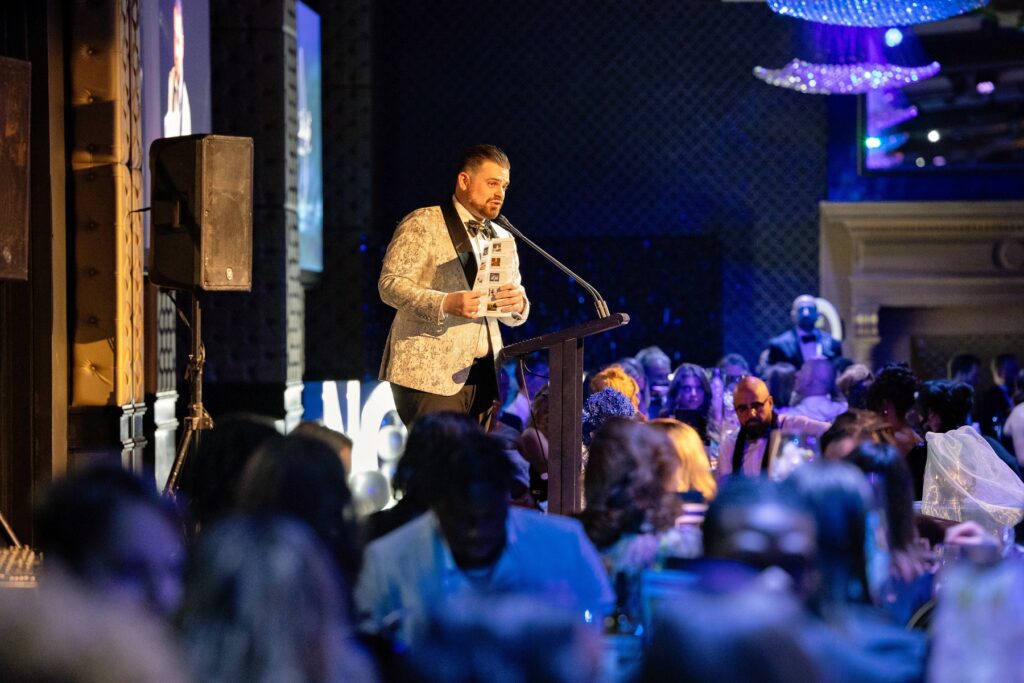
This is particularly important for award nights, recognition events and fundraisers. People want to celebrate, react and feel part of the occasion. They also need a host who can protect the significance of an announcement and keep the pace lively between presentations. No empty pauses. No awkward waiting for the next screen to load. No lost moments.
The platform matters, but it is not the experience. A beautifully branded event portal will not rescue unclear instructions, late speakers or lifeless transitions. Equally, a confident host cannot compensate for poor audio, unreliable connections or a team that has not rehearsed the basics.
The strongest virtual events treat hosting and production as connected parts of the same plan. Before the event, the host should understand the platform features, speaker order, video cues, holding slides, contingency plans and who is calling the show behind the scenes. They should know how questions will be selected and when a producer may need them to hold, pivot or move ahead.
A full technical rehearsal is worth the effort, especially where senior leaders, external guests or multiple presenters are involved. It gives everyone a chance to test camera framing, sound, slide sharing and transitions. More importantly, it lets the host build rapport with speakers before they are live. That reassurance changes how people show up on camera.
There is always a balance to strike. Not every short internal update needs a high-production run-through. But once an event carries brand reputation, stakeholder attention or a meaningful budget, preparation is what makes it feel effortless.
A good virtual event has a run sheet. A great one has a host who can make it feel natural.
The host needs more than a list of names and start times. They need the story of the event. Why does this speaker come before that panel? What should the audience feel after the opening? Which announcement needs a beat of anticipation? What can be trimmed if the programme falls behind?
With that understanding, the host can connect each segment in a way that feels intentional. Instead of a flat introduction, they can set up why a speaker matters. Instead of ending a session with a generic thank you, they can draw out the point attendees should carry into the next part of the programme.
Timing is equally important. Virtual audiences notice drift quickly. A host who can keep an eye on the clock, communicate cleanly with production and move a session forward with warmth protects the entire experience. That is especially valuable when executives, clients, sponsors or award recipients are involved. Their time is respected, and the event retains its momentum.
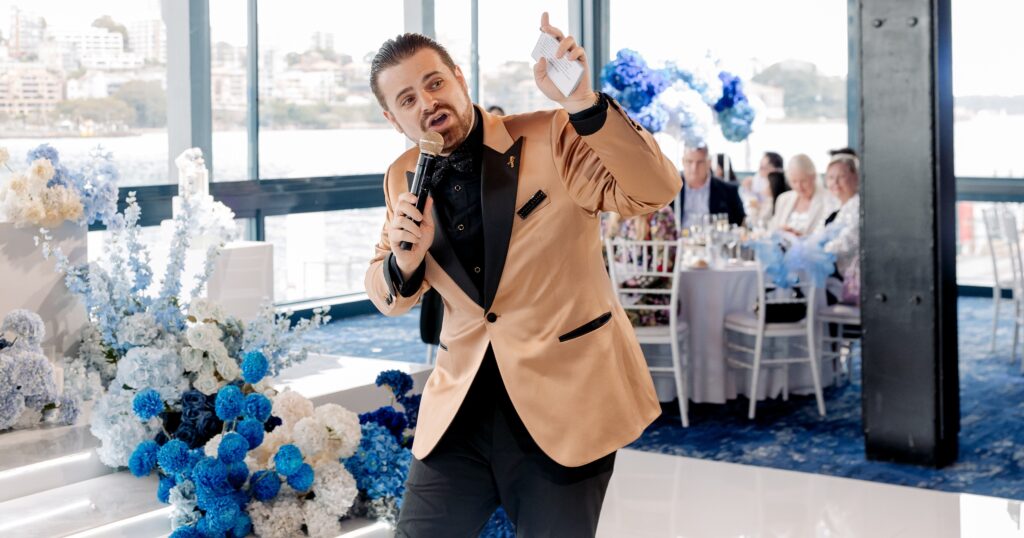
The right fit depends on the event, not simply the size of the audience. A formal annual conference may need a composed presenter who can carry authority across several sessions. A brand activation may call for more spontaneity and audience interaction. A hybrid event requires someone who can give equal attention to people in the room and those watching remotely, so neither group feels like an afterthought.
Look for someone who can communicate with warmth while remaining brand-safe under pressure. Review their ability to work with speakers, follow a detailed programme and adapt when the unexpected happens. Ask how they prepare, how they collaborate with producers and how they handle a timing change or technical interruption.
The best answer will not be a rehearsed line. It will show that they understand live event dynamics. Nathan Cassar brings that front-of-stage presence together with the operational discipline that keeps an event experience polished when plans need to shift.
A virtual event should not feel like a string of video calls. It should feel designed, led and worth attending. That comes from clear content, capable production and a host who can turn separate segments into one shared experience.
When the agenda is important, put someone at the centre who can protect its rhythm and bring people with them. Your guests may be watching through a screen, but the feeling they leave with is still very real.
