Why Hire an MC for Your Event and What Changes

Written By Nathan Cassar


Written By Nathan Cassar
The schedule says the awards begin at 8:15pm. The keynote speaker is still greeting clients. The AV team needs two more minutes. A sponsor is ready to be acknowledged, guests are checking their mobiles, and someone has misplaced the final run sheet. This is precisely why clients hire an MC for event leadership, not simply to make announcements.
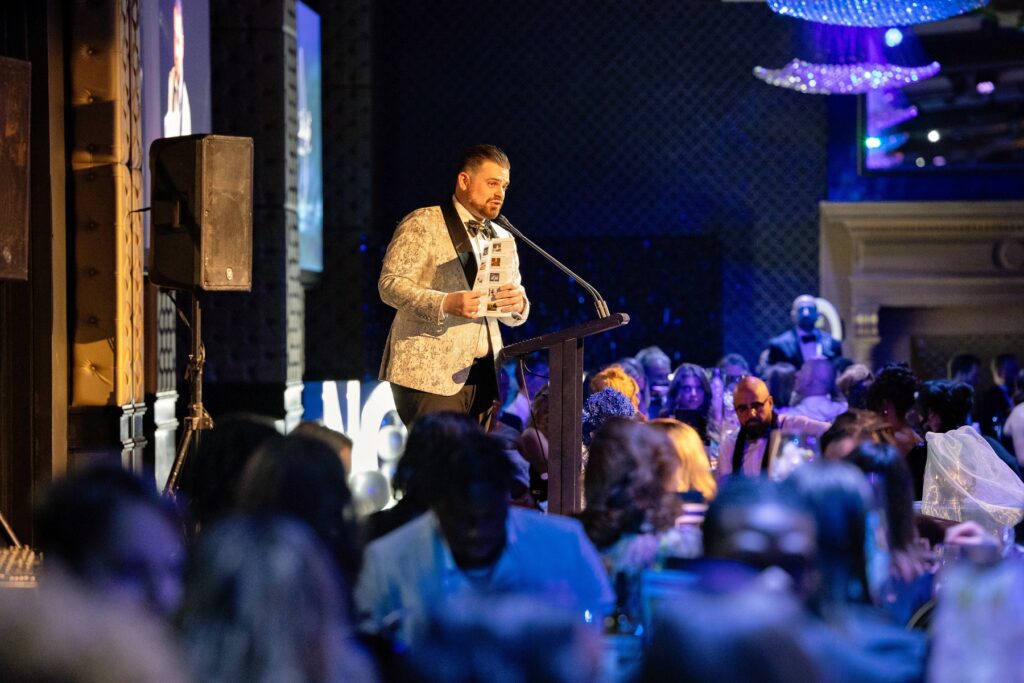
A professional MC is the person who holds the room while the moving parts move. They bring the audience with them, keep speakers comfortable, protect the tone of the occasion and make timing adjustments feel intentional rather than improvised. No empty pauses. No awkward handovers. No organiser forced to troubleshoot from the side of the room while trying to enjoy their own event.
For weddings, that means a reception that feels warm, connected and genuinely celebratory. For corporate functions, conferences, awards nights and charity galas, it means brand-safe energy, stakeholder confidence and a program that keeps its momentum. The value is visible on stage, but much of the work happens before the first welcome.
Anyone can read names from a sheet of paper. Event hosting is a different discipline.
A skilled MC understands the purpose behind every segment: why the opening needs confidence, why a sponsor acknowledgement must feel considered rather than transactional, why a speaker needs a clear introduction, and why the room needs a change of pace before attention drifts. They read the audience in real time, then shape the transitions that make an event feel like one coherent experience.
That matters most in the moments guests rarely remember individually, but absolutely feel as a whole. The shift from canapes to the formal program. The bridge between a heartfelt speech and a high-energy award reveal. The few minutes needed when the kitchen is running behind. If these moments are handled poorly, the atmosphere drops quickly. If they are handled well, guests remain relaxed because they trust that someone has the room.
A producer-minded MC also works from a detailed run sheet without becoming trapped by it. A schedule is essential, but live events are live. Speakers run long. A video needs a reset. A VIP arrives late. The right host can make a smart call, communicate clearly with the production team and keep the audience engaged while the plan adapts.
That calm control gives organisers something valuable: the freedom to be present. You should be welcoming guests, connecting with clients or celebrating with the people you love – not standing near the stage wondering who is meant to be introduced next.
The best hosting starts well before the microphone is live. A professional MC should invest time in understanding your event, your audience, your priorities and the people who need to feel looked after.
For a wedding, that may mean learning the couple’s story, confirming pronunciation, understanding family dynamics and working closely with the venue, DJ or band, photographer and coordinator. It means creating room for emotion without allowing the formalities to drag. A great wedding MC knows when to lift the energy, when to pause for a meaningful moment and when to move the night forward.
For a corporate event, the preparation is often more operational. The host needs clarity on your brand, key messages, speaker backgrounds, award categories, sponsor obligations, executive preferences and non-negotiable timings. They should know the difference between a room that needs polished restraint and one ready for more interaction. A charity gala may need both: appropriate ceremony around the cause, then the warmth and energy that encourages generosity and keeps the room connected.
There is also speaker support. Not every executive, award recipient or family member is comfortable on stage. A confident MC makes the walk to the microphone feel easier. They provide a strong introduction, create a friendly handover and know how to recover gracefully if someone loses their place. That support protects both the speaker and the audience experience.
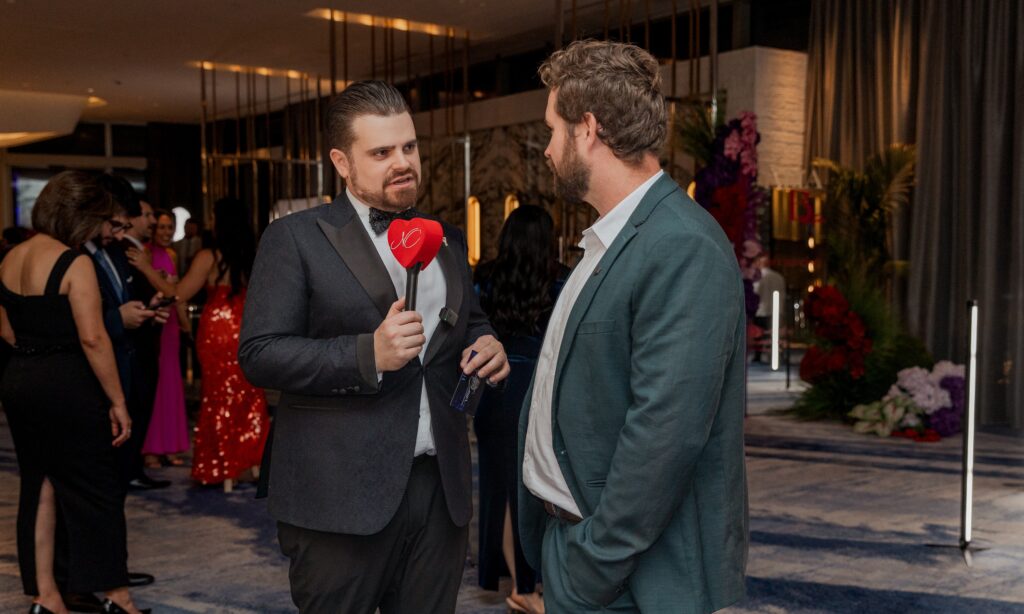
Behind the scenes, the MC becomes a reliable point of connection between event stakeholders. They can work with the AV team on cues, check in with speakers, coordinate timing with venue staff and keep the program moving without broadcasting stress to the room. Guests should see confidence, not logistics.
Events do not need constant noise to feel energetic. They need the right energy at the right time.
A formal awards night may call for authority and polish at the opening, genuine warmth around recognition, then a sharper pace as the program builds. A product launch might need momentum, curiosity and a clear connection to the brand story. A wedding reception needs personality, care and enough structure to ensure the people who matter most are heard and celebrated.
This is where presence matters. The MC is not there to become the main character. They are there to make the occasion, the people on stage and the audience feel more confident, more connected and more alive. Humour can be powerful, but it must suit the room. Audience interaction can lift a program, but it should never feel forced. The strongest hosts are emotionally intelligent enough to know the difference.
When choosing an MC, look beyond whether they are entertaining in a short video. Ask whether they can command a large room without overpowering it. Ask how they handle late changes, nervous speakers and tight turnarounds. Ask how they prepare, who they liaise with on the day and how they keep an event on schedule while making it feel unhurried.
Those answers tell you whether you are booking a personality or an event leader.
Not every gathering needs formal hosting. An intimate dinner with a simple agenda may be perfectly served by a brief welcome from the organiser. But once an event has a meaningful guest list, multiple program elements, speakers, awards, entertainment, fundraising, stakeholder expectations or a defined brand experience, an MC becomes a strategic decision.
The case becomes even stronger when the person who would otherwise host has another job to do. A bride or groom should not be monitoring meal service and chasing speeches. A CEO should not have to introduce every presenter while preparing for their own address. A marketing manager should not be the person filling dead air when a launch cue changes. Their attention belongs elsewhere.
A professional host is also useful when the audience is mixed. Perhaps staff are meeting clients, interstate guests are attending for the first time or different generations are sharing the room. The MC sets the social temperature early. They make expectations clear, invite participation naturally and create a shared sense that this occasion matters.
For events across Sydney and beyond, that level of preparation is often what separates a well-funded production from one that actually feels polished. Beautiful styling, strong food and quality entertainment all contribute. Yet if nobody is confidently leading the transitions, the experience can still feel disjointed.
Your conversation with an MC should leave you feeling calmer, not more overwhelmed. Ask how they approach run sheets and last-minute changes. Ask what information they need from you, how they support speakers and whether they work directly with your venue and production team.
It is also worth discussing tone in detail. “Fun” means different things to different clients. Share what you want guests to feel: moved, celebrated, energised, recognised, informed or ready to participate. A capable MC can tailor their delivery to the room without losing the confidence that makes people listen.
Finally, consider chemistry. You are trusting this person with your guests, your key moments and your reputation. The right choice should feel capable, composed and easy to collaborate with. They should respect the importance of the occasion while bringing enough personality to make it memorable.
Nathan Cassar’s approach is built around that balance: polished front-of-stage presence, disciplined program management and the ability to make a room feel looked after from the first welcome through to the final farewell.
The best time to bring an MC into your plans is before the pressure starts building. Give your host the context, the people and the purpose behind the event, and they can do what great event leaders do: turn a run sheet into an experience guests want to talk about on the way home.
