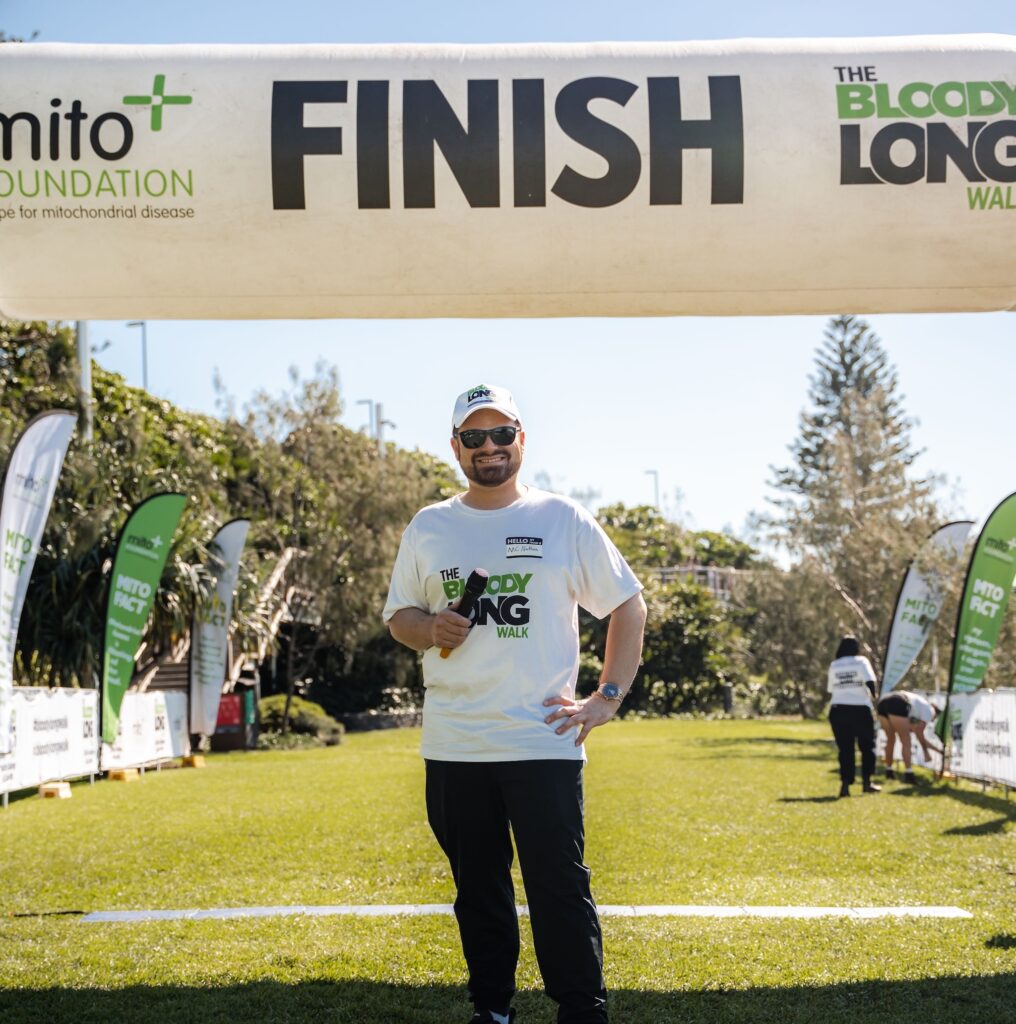
What a Sporting Event MC Brings to Game Day
Written By Nathan Cassar

Written By Nathan Cassar
The difference between a sporting event that feels flat and one that feels electric is rarely the scoreboard alone. A skilled sporting event MC creates momentum between the big moments, gives the crowd a reason to stay engaged, and keeps the entire program moving with calm, confident control.
From community finals and charity tournaments to stadium activations, presentation nights and elite competitions, sport is built on emotion. Anticipation. Pride. Rivalry. Celebration. The right host knows how to bring those feelings to the surface without making themselves the centre of attention.
Anyone can read a fixture, introduce a sponsor or announce a winner. But live sport has a rhythm, and it can change quickly. A delayed match, an unexpected weather interruption, a late VIP arrival or a presentation that runs long can affect everything that follows.
A professional MC is the person who protects the experience when those changes happen. They communicate clearly, keep the crowd informed without creating concern, and fill transitions with purpose rather than empty noise. No awkward pauses. No confusing directions. No feeling that the event is being held together at the last minute.
That matters because sporting events are rarely serving one audience. Players want recognition. Spectators want atmosphere. Sponsors want meaningful visibility. Volunteers need clear direction. Event organisers need a trusted person on stage who understands the run sheet and can make smart decisions in the moment.
The best hosts can hold all of that at once.
Sport creates natural peaks, but the space between them is where event energy can disappear. A sporting event MC gives those in-between moments shape, whether the crowd is waiting for the next race, gathering for a medal presentation or moving from competition into celebration.
A polished host can bring focus to key moments such as:
The approach depends on the event. A junior sporting club presentation needs warmth, encouragement and a strong sense of community. A corporate golf day may call for polished banter, sponsor confidence and careful timekeeping. A major competition requires authority, precision and the ability to read a large, diverse crowd.
There is no one-size-fits-all performance. The job is to find the tone that fits the sport, the audience and the occasion.
A common mistake is assuming a sports host needs to be loud from the first whistle to the final presentation. High energy matters, but constant intensity quickly becomes background noise. Great event hosting is about pace, contrast and timing.
A crowd may need a burst of excitement before a final, then a clear and respectful voice during a formal acknowledgement. It may need a laugh during a delayed start, followed by a heartfelt introduction for a participant whose story deserves the room’s full attention.
That emotional intelligence is what makes an MC memorable. They know when to raise the temperature and when to give a moment room to land.
For organisers, this creates a more confident event environment. Your speakers are introduced properly. Your sponsors are acknowledged with credibility. Your athletes are celebrated. Your audience stays connected because there is always a capable voice guiding the day forward.
Sponsors do not simply want their logo on a banner. They want to be associated with a well-run, enjoyable experience that reflects positively on their brand.
A professional MC can include sponsor recognition naturally throughout the program, using the right language and giving each acknowledgement an appropriate place. That might mean welcoming a naming-rights partner at the opening, tying a competition to a sponsor activation, thanking a local business before a presentation, or introducing a representative to the stage with polish.
The balance matters. If sponsor messaging is rushed, vague or repeated without thought, the audience tunes out. If it is woven into the experience with confidence and relevance, it feels like part of the occasion.
This is particularly valuable for charity sports days, fundraising events and brand activations, where stakeholder relationships are often as important as the competition itself. The MC becomes a trusted bridge between the event’s purpose, the people in the room and the organisations making it possible.
The strongest live hosting looks effortless because the preparation is thorough. Before stepping on stage, a sporting event MC should understand far more than the names on a running order.
They need to know the event objective, the competition format, key people to acknowledge, correct pronunciation, sponsor commitments, technical setup, presentation order, audience profile and contingency plans. They should also understand who has final authority if the schedule changes and how announcements will be approved during the event.
This producer-minded approach is what protects the run sheet. It means the MC can flag potential pinch points before guests arrive, coordinate with audio and event teams, support nervous speakers, and keep organisers informed without adding to their workload.
A detailed briefing is especially important when multiple stakeholders are involved. Councils, sporting associations, brands, volunteers, venue teams and media representatives may all have legitimate priorities. The host does not need to carry every operational task, but they do need a clear picture of how their role supports the wider program.
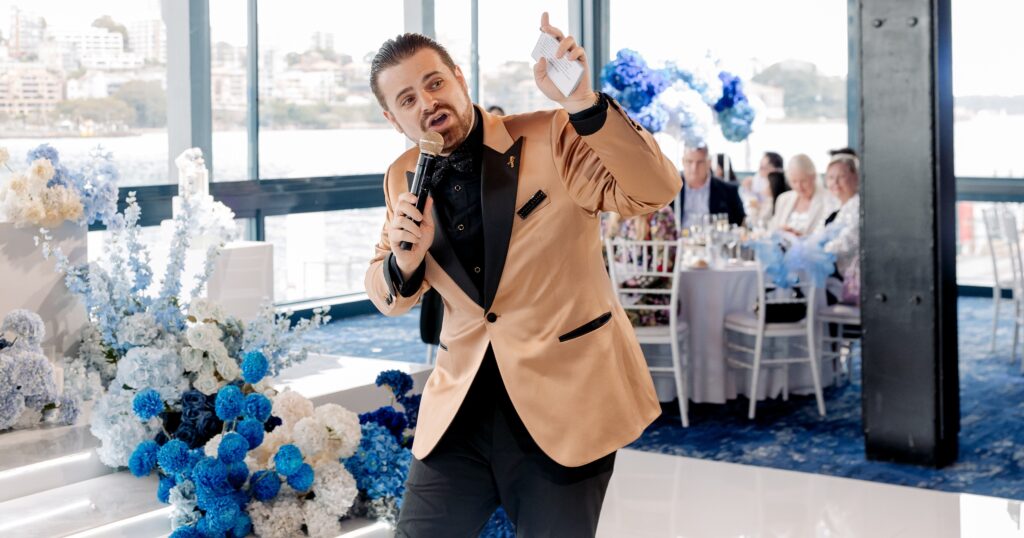
Stage presence matters, but it is only one part of the decision. The right MC should be engaging on the microphone and organised behind it.
Look for someone who can speak to a packed crowd without sounding scripted, but who also respects timing, protocol and the people around them. They should be comfortable adapting when a match runs over, a winner is unavailable or a presentation order changes at short notice.
Experience across different event environments helps. Hosting a formal awards night requires a different rhythm from leading a family-friendly fun run, but both demand audience awareness, preparation and the confidence to guide a room. A versatile host can shift from ceremony to celebration without the event feeling disjointed.
It is also worth considering the atmosphere you want guests to remember. Do you need high-impact stadium energy? A polished corporate presence? Warm community connection? A host should amplify the personality of the event, not impose a performance that does not belong there.
The best sporting events are not remembered only for who won. They are remembered for the roar when a team enters, the pride during a medal presentation, the laughter between events and the sense that everyone was part of something well run.
A sporting event MC helps create those moments while giving organisers space to breathe. With the program in safe hands, they can focus on their guests, their athletes, their partners and the purpose behind the day.
When the final award is presented and the crowd heads home, people may not remember every announcement. They will remember whether the event felt connected, exciting and worth being part of. That is the standard worth planning for.
