Why a Conference Host Australia Needs Matters

Written By Nathan Cassar





Written By Nathan Cassar
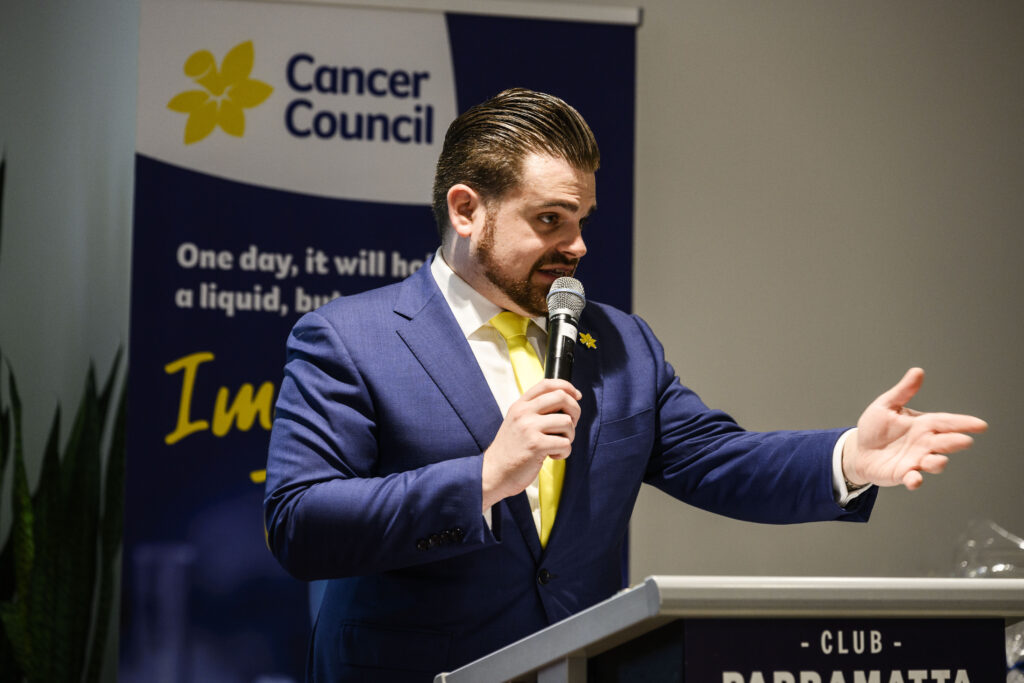
The moment a conference loses the room, you can feel it. A panel runs long. A speaker fumbles the handover. The audience checks their mobiles. What should feel sharp and high-value starts to drag. That is exactly where a skilled conference host that Australian event organisers rely on changes the outcome.
A great host does far more than introduce speakers and read from a run sheet. They carry the rhythm of the day. They protect momentum, set the tone, manage transitions, read the room and keep every moving part aligned. When that role is handled well, the audience feels looked after, speakers feel supported and organisers are free to focus on the event rather than constantly putting out spot fires.
There is a persistent myth that conference hosting is mostly microphone work. It is not. Professional hosting is event leadership in real time.
At the front of house, the host is the visible thread connecting every session, announcement, sponsor mention and speaker handover. Behind the scenes, they are often working just as hard – checking timing, adjusting intros, keeping presenters calm, flagging changes and helping the day stay on course without making the audience aware that anything shifted.
That matters because conferences are rarely static. A keynote might arrive late. AV may need an extra minute. A panel discussion may spark more audience questions than expected. The best hosts do not panic or fill the silence with fluff. They adapt quickly, make smart calls and keep the event feeling intentional.
No empty pauses. No awkwardness. No lost moments.
Plenty of conferences have capable speakers and excellent content, yet still feel disjointed. Usually, the issue is not the content itself. It is the delivery between moments.
The space between sessions is where energy either builds or drops. If introductions are flat, the room starts to disconnect. If timing blows out, delegates notice. If there is no one confidently holding the day together, the event can feel longer than it should.
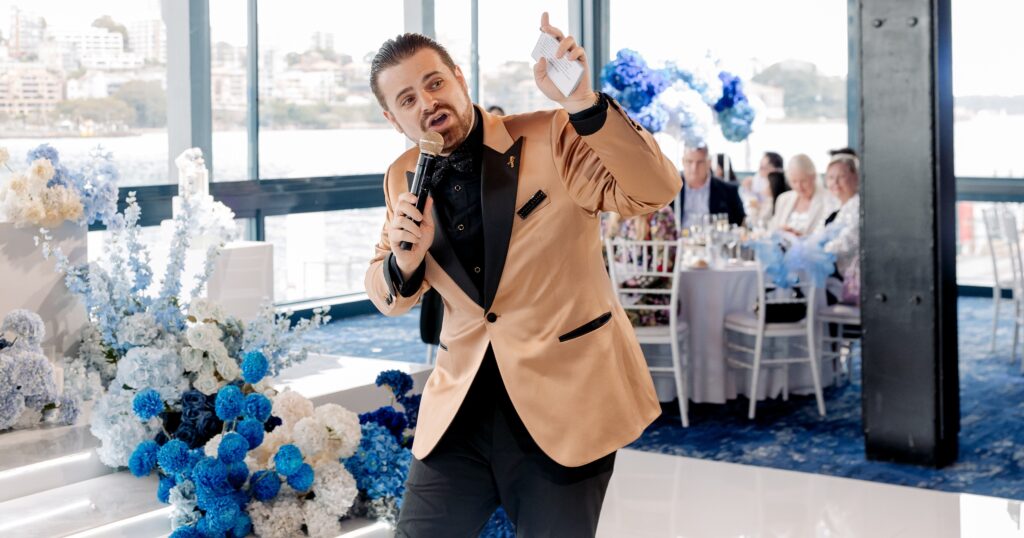
A strong host keeps the audience with you. They know when to lift the room, when to bring focus back, and when to let a meaningful moment breathe. They can speak to executives without sounding stiff, engage a crowd without trying too hard and maintain authority without becoming the centre of attention.
That balance is where real value sits. Conference hosting is not about stealing the spotlight. It is about elevating the entire program.
Not every polished speaker is the right conference host. Some people are excellent on stage but weak on flow. Others can read a script nicely but struggle when the schedule changes or the room needs a reset.
The strongest conference hosts think like producers. They understand that every segment affects the next one. They know how to build momentum across a full-day or multi-day program, not just deliver isolated intros. They watch timing closely. They help speakers feel prepared. They protect the experience for sponsors, stakeholders and guests.
This is especially important for corporate events where brand perception matters. A conference may be designed to inspire, educate, celebrate or sell an idea internally. Whatever the goal, the host shapes how professionally that message lands.
If the event needs warmth, they bring it. If it needs polish and authority, they meet that brief too. If it needs energy after lunch when the room dips, they know how to shift the atmosphere without forcing it.
The obvious qualities matter. You want confidence, presence and clear communication. But the best decision-makers look deeper than that.
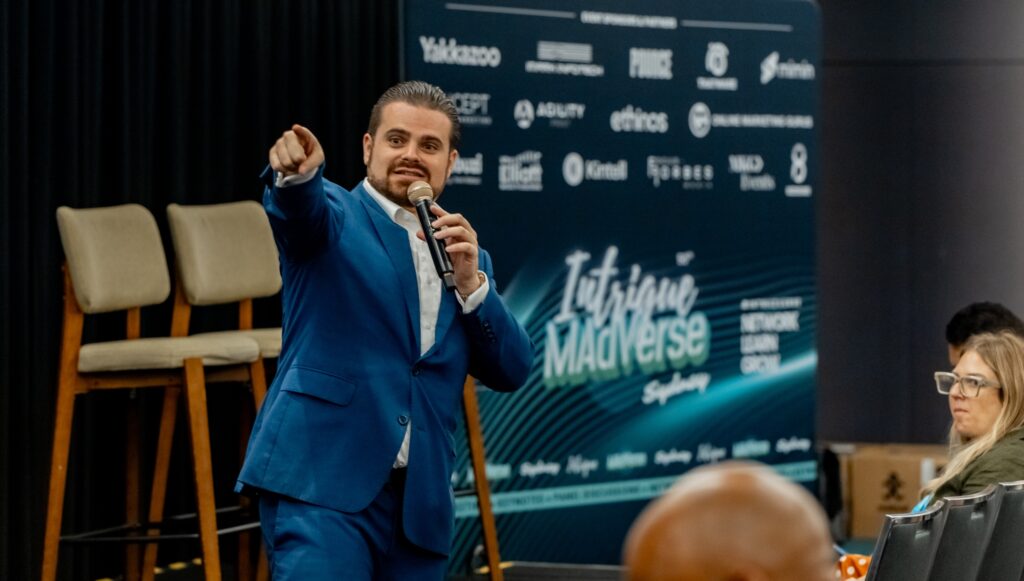
First, look for someone who can read a room. A conference audience is not one-size-fits-all. A room full of executives needs a different rhythm from a sales kick-off, association summit or community-facing civic forum. Good hosts adjust their delivery to match the audience, the brand and the objective.
Second, look for operational discipline. Can they work from a detailed run sheet? Will they liaise smoothly with AV, event managers and speakers? Can they absorb briefing notes quickly and represent your organisation well? Charisma matters, but reliability matters more.
Third, look for emotional intelligence. The host is often the human bridge between the formal structure of the event and the feeling in the room. They need to know when humour will help and when it will not. They need to support nervous presenters without making a fuss. They need to carry authority without creating tension.
And finally, look for versatility. Australian conferences vary wildly in tone and format. Some are highly scripted. Others are fast-moving and reactive. The right host can move between ceremony, conversation, energy and control without making it feel like a performance trick.
Technically, every conference benefits from a professional host. In practice, the value becomes especially obvious in higher-stakes rooms.
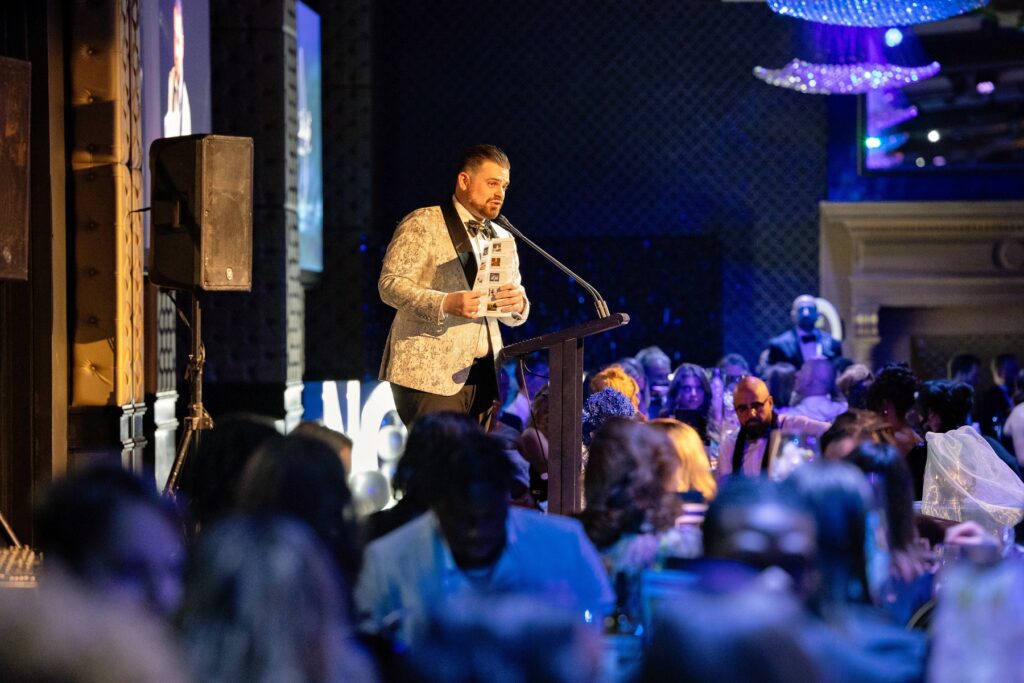
Large conferences need strong traffic control. Multi-speaker programs need consistency. Sponsor-led events need someone brand-safe and polished. Award integrations, fireside chats and live Q&A sessions need a host who can keep things moving while still sounding natural.
Virtual and hybrid formats add another layer. Without the natural energy of an in-person audience, weak hosting becomes painfully obvious. Pacing, clarity and presence have to work harder through a screen. A professional host can keep viewers engaged and maintain confidence even when the format itself feels less forgiving.
There is also a simple commercial reality. If your organisation has invested heavily in venue, production, speakers and audience acquisition, it makes little sense to leave the event flow to chance.
One of the biggest mistakes is assuming an internal staff member can step in because they know the business well. Sometimes that works for small, low-pressure events. Often, it creates strain. The person is suddenly juggling stakeholder management, stage responsibilities and their actual job at the same time.
Another mistake is choosing based on price alone. A cheaper host can become an expensive compromise if the event runs over, the room loses energy or your speakers are not properly supported. Premium hosting is not about ego. It is about reducing risk and lifting the quality of the entire experience.
There is also the temptation to book someone who is entertaining but not controlled. Energy is useful, but only when paired with judgement. A conference is not a talent show. The host should be engaging, yes, but also measured, credible and aligned with the room.
This is the part many people only appreciate after the event. A strong host does not just improve what the audience sees. They reduce pressure on everyone else.
Event planners can stay focused on delivery instead of chasing speakers. Executive assistants can breathe because timing is being watched. Marketing teams can trust the brand is being represented with polish. Senior stakeholders can participate rather than manage.
That kind of calm control is not accidental. It comes from preparation, stagecraft and the confidence to lead a room without forcing it. It is the difference between an event that simply happens and one that feels sharp, connected and professionally held from start to finish.
For organisers who want more than a voice on a microphone, that distinction matters. It is why experienced event teams often see hosting not as an extra, but as part of the event infrastructure.
A premium host brings presence, yes. More importantly, they bring command of the moments that usually decide how a conference is remembered.
Nathan Cassar’s approach has always sat in that space – front-of-stage confidence backed by behind-the-scenes discipline.
When your next conference needs to feel polished in the room, trusted by stakeholders and easy for guests to follow, choose the person who can hold the whole experience together. The right host will not just keep the day moving. They will make the event feel better while it is happening.
